Off the Beaten Path: Laos's Secret Waterfalls That Will Make You Feel Like an Explorer
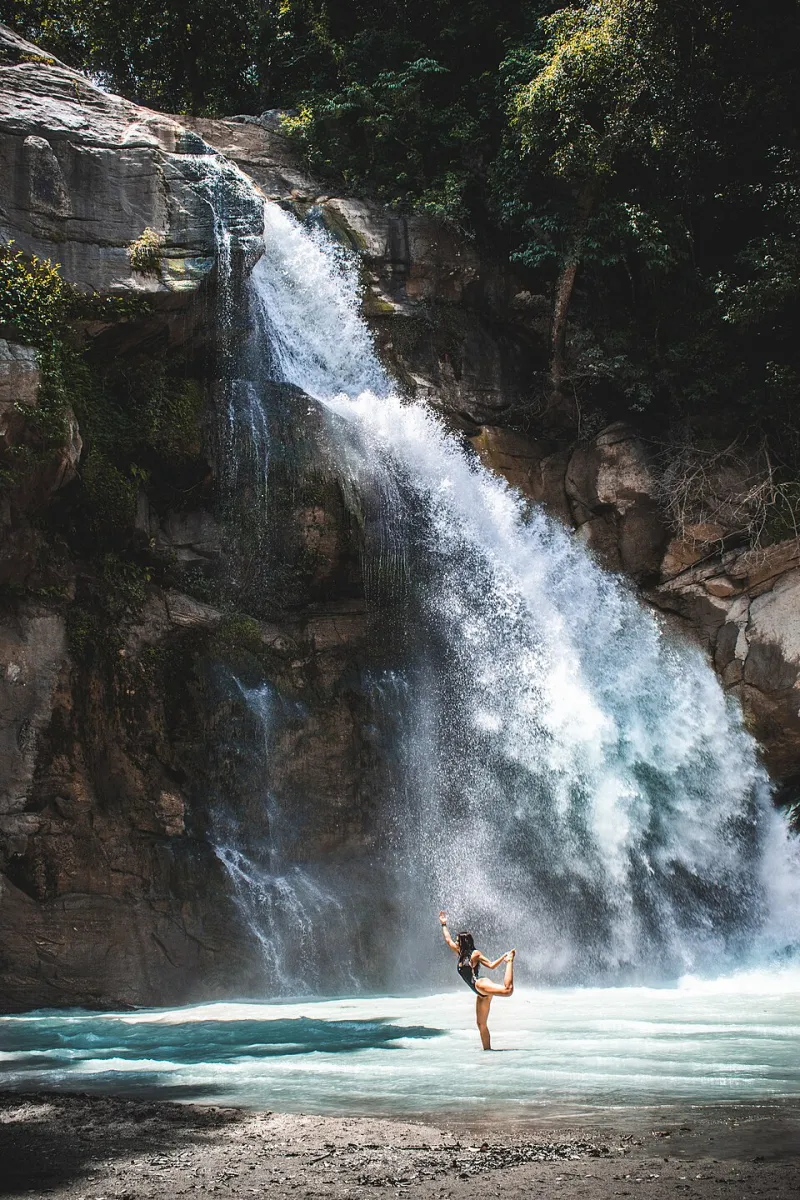
Photo: Yasithakasthuri, CC BY-SA 4.0, via Wikimedia Commons
Most travelers who make it to Laos end up at Kuang Si Falls near Luang Prabang. And look, we get it — those turquoise pools are genuinely stunning. But if you've come all the way to one of Southeast Asia's most underexplored countries, stopping at the one waterfall that shows up on every Instagram grid feels like flying to New Orleans and only eating at the airport Popeyes.
Laos has hundreds of waterfalls scattered across its mountainous interior, and the vast majority of them see almost no Western visitors. Getting to them takes a little more effort, a little more planning, and sometimes a willingness to ride on the back of a motorbike down a red dirt road. But what you find at the end of that road — a thundering curtain of water in a forest that feels completely untouched — is the kind of thing that makes you rethink what travel is even for.
Why Laos's Hidden Waterfalls Hit Different
The country's geography does a lot of the heavy lifting here. About 70 percent of Laos is covered in mountains and dense forest, and the rainy season (May through October) feeds river systems that spill over cliffs and canyon edges in dramatic fashion. Unlike Thailand or Vietnam, where infrastructure development has made many natural sites feel almost theme-park-adjacent, Laos moves at its own pace. Roads to remote areas are still rough. Signage is minimal. And that's exactly the point.
Visiting these places doesn't feel like checking a box. It feels like discovering something. And in a lot of cases, you genuinely are — at least from a Western traveler's perspective.
Tad Yuang and Its Less-Visited Neighbors in Bolaven Plateau
The Bolaven Plateau in southern Laos is waterfall country, full stop. Most visitors who make it down this way hit Tad Fane — the dramatic twin-falls that plunge into a misty gorge — and call it a day. But the plateau is riddled with lesser-known cascades that reward the curious.
Tad Yuang, a short detour off the main loop road near Paksong, draws a fraction of the crowds and offers swimming holes that feel genuinely secluded. Go on a weekday and you might have the whole place to yourself. Further off the main circuit, locals can point you toward Tad Champi and Tad Gneuang, neither of which appears in most guidebooks. You'll need a motorbike or a hired driver, and asking at your guesthouse in Paksong for current trail conditions is essential — paths can wash out after heavy rain.
The Bolaven Plateau is also prime coffee country, so the drive itself is gorgeous: misty highlands, terraced farmland, and roadside stalls selling freshly roasted beans. It's a full-day experience that goes well beyond the waterfall itself.
Tad Lo: The Village That Time Forgot
Sitting in the Xe Set River valley in Salavan Province, Tad Lo is one of those places that feels like it exists slightly outside of normal time. The village is small, the guesthouses are basic, and elephants were historically used for bathing in the river here (though responsible travelers should verify current elephant welfare practices before participating in any animal experience).
The waterfalls at Tad Lo — there are actually a few at different levels — are beautiful on their own, but the real draw is the surrounding area. Ethnic minority villages belonging to the Alak and Katu peoples are within hiking distance, and several local guides offer half-day and full-day treks that incorporate both waterfall swimming and genuine cultural exchange. These aren't staged performances — they're visits to working villages where people are going about their actual lives and happen to welcome curious travelers.
Getting here from Pakse takes a few hours by bus or shared songthaew (the covered pickup trucks that serve as local transit). It's an easy overnight trip that most travelers completely skip.
Finding a Local Guide: The Most Important Thing You'll Do
For any waterfall trek that goes beyond a short walk from a parking area, hiring a local guide isn't just a nice idea — it's genuinely important. Trail conditions change with rainfall. Some areas require navigating through farmland or forested slopes where the path isn't obvious. And in more remote regions, a guide is the difference between a great story and a bad one.
The good news: local guides are affordable (typically $15–$40 USD per day depending on the region and trek length), and booking through your guesthouse or a community-based tourism organization ensures that money stays in the local economy. Organizations like the Laos National Tourism Administration have been working with villages across the country to develop community-guided trekking programs, and these are worth seeking out specifically.
When you hire a guide from the village nearest to your destination, you're not just getting someone who knows the terrain. You're getting someone who can introduce you to the place in a way no app or guidebook ever could.
Safety Basics That Are Worth Repeating
A few things worth keeping in mind before you head into the jungle:
- Start early. Afternoon thunderstorms are common during the wet season, and river levels can rise quickly. Most guides will tell you the same thing.
- Wear decent footwear. Flip-flops are fine for Kuang Si. They are not fine for a two-hour jungle trek on muddy trails.
- Tell someone where you're going. Leave your itinerary with your guesthouse. This sounds obvious but travelers skip it constantly.
- Respect swimming conditions. Currents near waterfall bases can be deceptively strong. If locals aren't swimming, follow their lead.
- Carry more water than you think you need. Shade doesn't mean cool in tropical humidity.
The Bigger Picture: Responsible Tourism in Action
Here's the thing about visiting these lesser-known spots: your presence actually matters in a concrete way. When travelers choose to hire local guides, stay in village guesthouses, and eat at family-run restaurants rather than funneling money through large tour operators, that economic impact is direct and meaningful.
Many of Laos's remote communities have limited access to stable income, and sustainable tourism — done thoughtfully — is one of the more promising paths forward. The waterfalls themselves aren't going anywhere, but the communities around them are actively shaping what the next decade of tourism looks like for their villages.
So go off the map. Hire the guide. Eat the food someone's grandmother cooked. Swim in the waterfall that doesn't have a souvenir stand. That's not just better for Laos — it's a better trip for you.
