After the Sun Goes Down: Finding the Real Laos at Its Night Markets
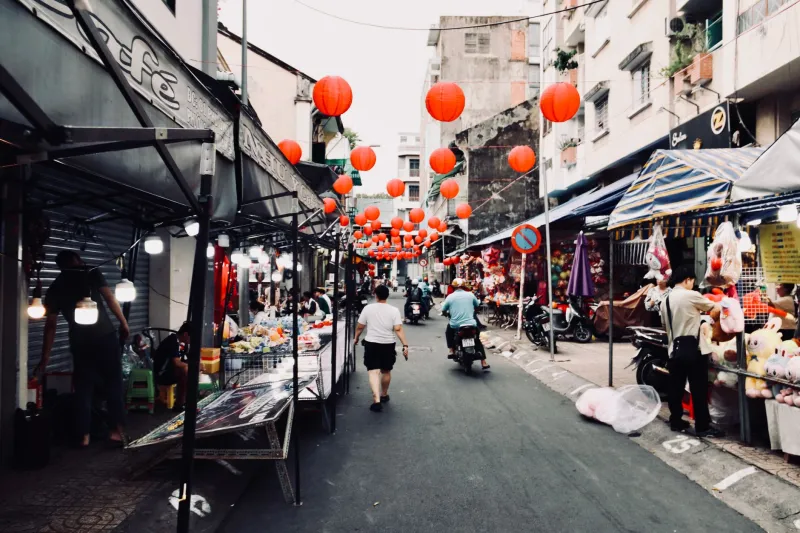
There's a moment every evening in Laos — somewhere between the last orange glow of sunset and the first hiss of a wok hitting flame — when the country exhales. Motorbikes slow down. Families spill out of doorways. And the markets, the real ones, come alive.
For American travelers used to dinner being a reservation, a menu, and a check, eating after dark in Laos is a full-body reset. It's loud, smoky, fragrant, and a little chaotic in the best possible way. And if you know where to look, it's one of the most culturally honest experiences this part of Southeast Asia has to offer.
Why Night Eating Matters in Laotian Culture
In Laos, the evening meal isn't just about food — it's a communal ritual. After long days in the heat, families and friends gather at low plastic tables, sharing sticky rice from woven bamboo baskets, tearing into grilled meats, and passing around bottles of Beer Lao. The night market isn't a novelty; it's the heartbeat of the neighborhood.
This tradition is deeply tied to the Lao concept of boun — merit, goodness, and collective well-being. Sharing food, even with strangers, carries social and spiritual weight. When a vendor scoops an extra ladle of broth into your bowl without being asked, that's not just hospitality. It's a cultural reflex.
Understanding this context changes how you experience these spaces. You're not a customer at a food stall — you're a guest in someone's living room, just one that happens to be outside.
Vientiane's Night Scene: More Than the Main Drag
Most visitors to the capital hear about the Mekong Riverside Night Market and stop there. It's fine — colorful, convenient, and easy to navigate. But it's also optimized for outsiders. If you want to eat like someone who actually lives in Vientiane, you need to go a few blocks inland.
The Thong Khan Kham Market area, particularly in the early evening hours, draws a mostly local crowd. You'll find vendors ladling out khao piak sen — a silky rice noodle soup with a broth so deeply savory it'll make you question every soup you've ever had back home. There's no English signage here, and that's the point.
Another under-the-radar spot: the informal clusters of food carts that set up near Patuxai Monument as the sun dips. Locals grab plastic stools, order ping gai (grilled chicken marinated in lemongrass and fish sauce), and stay for hours. The vibe is relaxed, the prices are laughably cheap by US standards, and nobody's trying to upsell you a sunset cruise.
Insider tip: Arrive between 6:30 and 8 p.m. for peak activity. Bring small bills — 10,000 to 20,000 Lao kip per dish is standard — and don't be shy about pointing at what the person next to you is eating.
Luang Prabang After Dark: Skip the Tourist Strip
Luang Prabang's famous night market on Sisavangvong Road is gorgeous and worth a stroll, but it's largely a craft market, not a food destination. For genuine eating, head to the Phousi Market area in the early evening or find the informal vendor rows near the old city's quieter residential streets.
Here you'll encounter tam mak houng — the Lao-style green papaya salad that's fierier and funkier than its Thai cousin, thanks to a generous hand with fermented fish paste and fresh chilies. Don't let the heat intimidate you. Ask for pet nit noi (a little spicy) if you want to dial it back, or just embrace the burn.
Another must-try in Luang Prabang's local circuit: sai oua, the herbed pork sausage that's grilled over charcoal until the casing crisps and the inside stays juicy. You'll smell it before you see it. Follow your nose.
Cultural note: In Luang Prabang especially, be mindful of the town's spiritual atmosphere. Loud behavior or excessive drinking in the streets is frowned upon. Night markets here tend toward the quieter, more communal end of the spectrum — match the energy.
Provincial Markets: Where the Real Discovery Happens
If you're traveling beyond the two main tourist hubs — and you absolutely should — smaller provincial towns offer night food scenes that feel entirely untouched by the travel industry.
In Savannakhet, the evening market near the Mekong waterfront draws extended families who treat the whole outing like a neighborhood block party. Try khao ji, the Lao baguette sandwich (a legacy of French colonial influence) stuffed with pâté, pickled vegetables, and chili sauce. It's one of those bites that makes you realize how beautifully cultures can collide.
Thakhek is another gem. The night food stalls here specialize in river fish — grilled whole, steamed in banana leaves with galangal and kaffir lime, or turned into a deeply aromatic broth. The fishing communities along this stretch of the Mekong have been perfecting these recipes for generations.
Practical tip for smaller towns: Google Maps is your friend for getting oriented, but the best finds often come from asking your guesthouse owner where they eat dinner. That single question has led us to some of the most memorable meals in the country.
Navigating Night Markets Respectfully
A few ground rules that go a long way:
Dress modestly. Laos is a conservative Buddhist country. Tank tops and short shorts might be fine on a beach elsewhere, but covering your shoulders and knees in market settings shows respect — and you'll be treated better for it.
Learn a few words. Sabaidi (hello), khob jai (thank you), and sep lai (delicious) will earn you genuine smiles and often a little extra on your plate. Lao people deeply appreciate the effort, even if your pronunciation is a disaster.
Don't rush. Night markets in Laos aren't fast food environments. Vendors are cooking to order, often over open flame. Settle in, watch the action, and let the pace of the place reset your internal clock.
Manage expectations around dietary needs. Vegetarian options exist but aren't always clearly labeled — fish sauce and shrimp paste are default ingredients in many dishes. If you have strict dietary restrictions, learn the Lao phrases for your needs or carry a written card.
What to Order: A Starter Cheat Sheet
Feel paralyzed by the options? Start here:
- Khao niao — Sticky rice, the backbone of every Lao meal. Grab a woven basket and eat it by hand, the traditional way.
- Laap — A minced meat salad with toasted rice powder, lime, and fresh herbs. Often called the national dish.
- Or lam — A slow-cooked stew with eggplant, wood ear mushrooms, and dried buffalo skin. Rich, earthy, and unlike anything you've had before.
- Nam khao — Crispy rice salad mixed with fermented sausage, peanuts, and coconut. Crunchy, tangy, addictive.
The Bigger Picture
Eating at Laos's night markets isn't a box to check on a travel itinerary. It's an invitation into daily life — into the laughter at the next table, the grandmother who's been making the same noodle soup for forty years, the kids chasing each other between plastic stools while their parents catch up over cold beer.
The soul of Laos isn't in a museum or on a highlight reel. A lot of it lives right here, under string lights and wood smoke, in a bowl of something you can't quite name but will absolutely never forget.