Solo in Laos: The Straight Answers Women and First-Timers Are Looking For
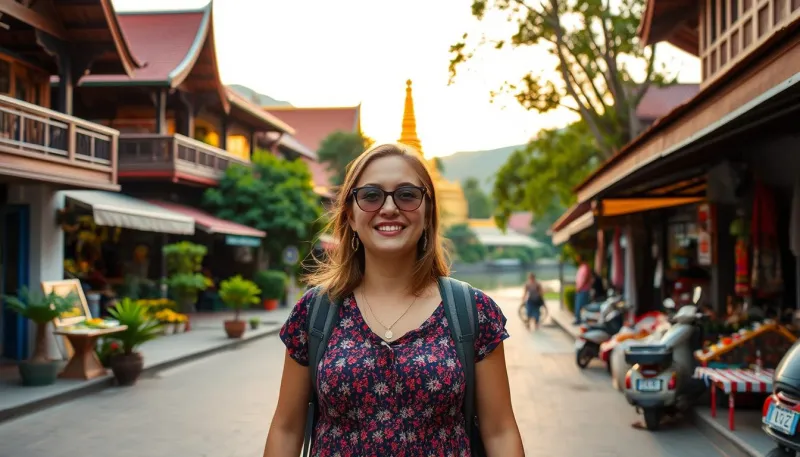
Photo: woman solo traveler walking quiet street Luang Prabang Laos, via tripjive.com
Every Laos first-timer asks some version of the same question before booking: is it actually safe to go alone? Especially women. Especially if it's your first trip to Southeast Asia. The honest answer is more nuanced than a yes or no—so here it is, straight.
The Overall Picture: Calmer Than You've Heard
Laos is one of the most low-key countries in Southeast Asia for solo travelers. Violent crime against tourists is rare. Violent crime against anyone, really, is rare. The bigger risks are mundane: scooter accidents, river currents, and the occasional food-poisoning episode. Most travelers describe the vibe as gentle—less hassle, less scamming, less pressure than neighboring backpacker hubs.
What you will encounter is outdated information. A lot of online advice still references Vang Vieng's wild-party era, which the government essentially shut down over a decade ago. The tubing-bars-and-mushroom-shakes scene is gone; today's Vang Vieng is kayaks, hot air balloons, and karst cliffs.
For Women Traveling Alone
Women who've spent weeks or months in Laos consistently report feeling comfortable—street harassment exists but is far less aggressive than in many countries, including parts of the US. A few practical notes:
- Dress modestly, especially in the north and at temples. Covered shoulders and knees aren't just respectful; they change how you're perceived entirely.
- Solo dining is normal. Lao food culture is built around shared meals, but nobody blinks at a woman eating alone—noodle shops are neutral ground.
- Trust the usual instincts. Late-night walking alone in unfamiliar areas, drinking heavily with strangers—apply the same judgment you would back home.
- Guesthouse hosts are a resource. Family-run guesthouses are the norm, and proprietors routinely look out for solo guests, help arrange trusted drivers, and flag anything worth knowing locally.
Transportation: The Quirky Part
Here's where Laos takes some getting used to:
- Night buses are long (10+ hours north to south) and vary widely in quality. Book VIP sleeper buses through reputable operators or your guesthouse, keep valuables on your person, and bring a blanket—AC runs arctic.
- The Laos–China Railway is a game-changer: fast, modern, inexpensive, and connects Luang Prabang, Vang Vieng, and Vientiane. If a route has a train, take the train.
- Scooter rentals are where solo travelers get hurt. The roads are winding, poorly lit, and occasionally occupied by livestock. If you've never ridden, Laos is not the place to learn. Helmets are non-negotiable.
- Domestic flights are safe, reasonably priced, and save entire days. Lao Airlines has a solid record.
Health Basics That Actually Matter
- Drink bottled or filtered water, always.
- Malaria risk exists in remote southern and eastern provinces; cities and the Luang Prabang corridor are low-risk. Talk to a travel clinic about prophylaxis if you're heading deep into the south.
- Bring a solid first-aid kit—pharmacies exist but stock varies.
- Travel insurance with medical evacuation coverage isn't paranoia; serious hospitals are in Thailand, and getting there fast can matter.
- Unexploded ordnance from the Vietnam War era remains in rural areas. Stick to marked trails and well-worn paths—this is a real, if easily managed, risk.
Etiquette That Earns You Goodwill
A little cultural fluency goes a long way toward feeling (and being) welcome:
- Never touch anyone's head or point your feet at people or Buddha images.
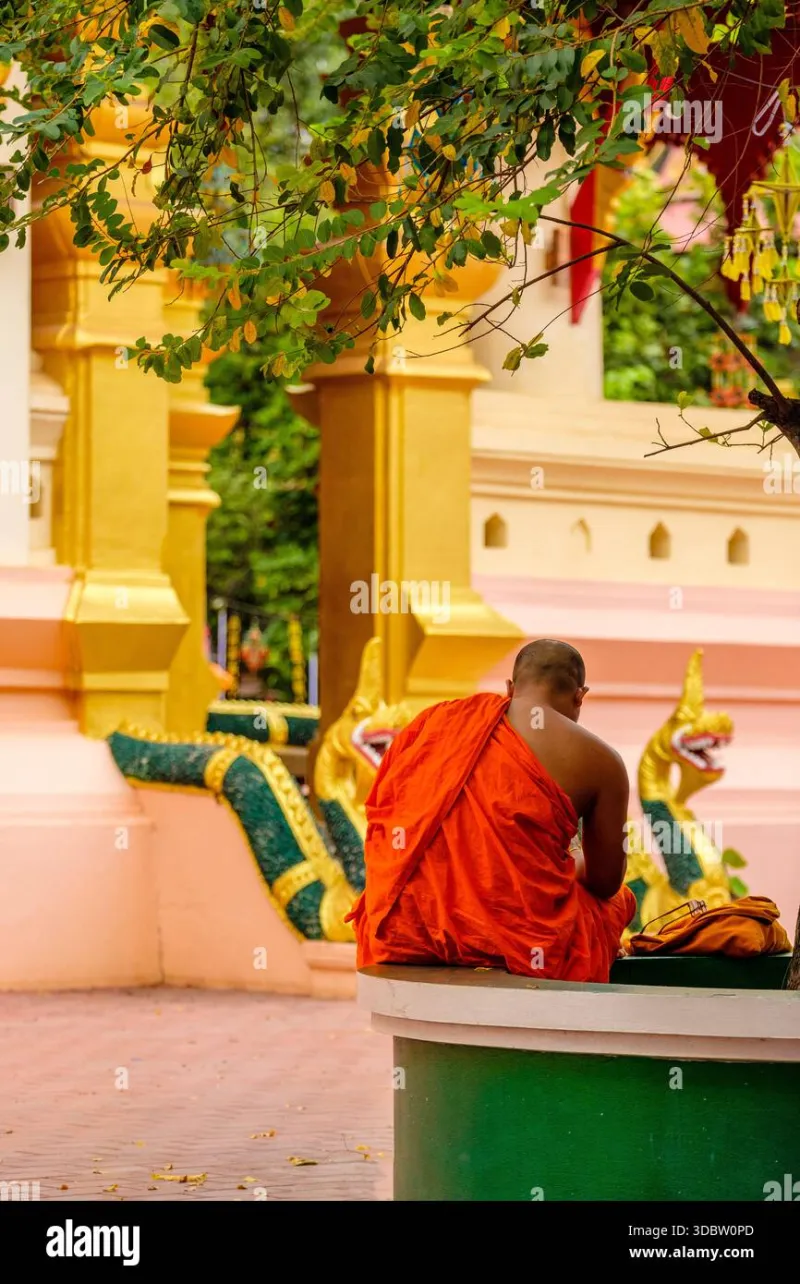
- Women should not touch monks or hand items directly to them—place objects down for them to pick up, or pass via another person.
- The nop—palms together, slight bow—is the polite greeting. Using it will delight people.
- Keep your voice down in temples and ask before photographing people, especially monks.
The Confidence Part
Here's what experienced solo travelers say most often about Laos: it's the country where they relaxed the fastest. English is more limited than in Thailand or Vietnam, but that gap gets filled with patience, hand gestures, and the friendliest hotel Wi-Fi troubleshooting you'll ever experience. Download offline maps, learn sabaidee (hello) and khop jai (thank you), carry cash, and book your first two nights ahead.
After that, let the country do what it does best: slow you down, keep you safe, and remind you that traveling alone doesn't mean being alone.