Life on the Mekong: What a River Journey Teaches You About the Soul of Laos
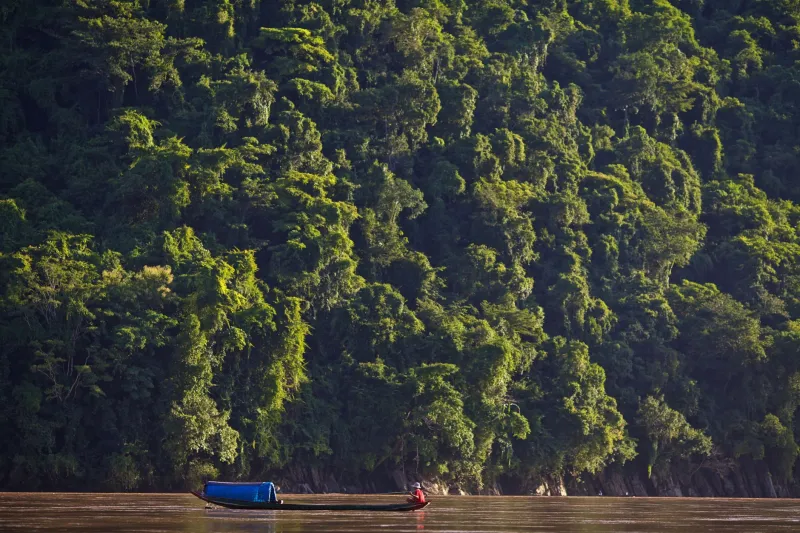
There's a moment, somewhere between Luang Prabang and the Cambodian border, when the Mekong stops feeling like a river and starts feeling like a living thing. The water shifts from muddy brown to a deep, almost greenish gray depending on the season. Fishermen cast nets from wooden longboats that look virtually unchanged from photographs taken a century ago. And on the opposite bank — sometimes Thailand, sometimes just more Laos — life hums along at a pace that makes you reconsider what the word progress actually means.
For most American travelers, the Mekong is a name from a geography class or maybe a Ken Burns documentary. But spend even a few days traveling along its length inside Laos, and it becomes something else entirely: a thread that stitches together every layer of this country's past, present, and increasingly complicated future.
The River That Built a Nation
Laos is landlocked, which means the Mekong isn't just a geographic feature — it's essentially the country's coastline, its highway, and its pantry all rolled into one. For thousands of years, communities grew up along its banks because the river gave them everything: fish, water for rice paddies, and a trade route that connected the highlands of southern China to the delta regions of Vietnam and Cambodia.
The ancient kingdoms of Lane Xang, which roughly translates to "Land of a Million Elephants," were anchored to the Mekong in ways that modern Laos still reflects. The royal capital of Luang Prabang sits at the confluence of the Mekong and the Nam Khan River — a location chosen deliberately, because rivers meant power, commerce, and survival. When you walk the peninsula of Luang Prabang today and watch monks collecting alms at dawn with the river glinting behind them, you're witnessing a ritual that has played out on that same stretch of water for generations.
What You'll Actually See on the Water
Traveling the Mekong in Laos isn't like booking a cruise ship. This is slow travel in the most literal sense, and that's the point.
The most popular option for visitors coming from Thailand is the two-day slow boat journey from Huay Xai down to Luang Prabang. It's not luxurious — you're on a converted wooden cargo boat with cushioned benches — but it's one of those travel experiences that people talk about for years afterward. The river narrows and widens, the limestone karsts appear and disappear in the mist, and you stop at small villages where kids wave from the shore and vendors sell sticky rice and grilled fish wrapped in banana leaves.
Further south, the river changes character. Around Vang Vieng, it becomes a playground for kayakers and tubers. Near Pakse in the south, it fans out into the Si Phan Don region — the "Four Thousand Islands" — where the Mekong is so wide it practically becomes an inland sea, dotted with inhabited islands where life moves at an almost meditative pace. You can rent a bicycle, ride between islands on rickety wooden bridges, and watch the Irrawaddy dolphins — a critically endangered species — surface in the late afternoon light.
Each stretch of the river offers something different, but they all share the same underlying truth: the Mekong is not scenery. It's infrastructure.
The Fishermen, the Farmers, and the Families
It's easy to romanticize river life from the deck of a slow boat. The harder, more honest work is understanding what that life actually involves.
Around 80 percent of Laotians rely on the Mekong and its tributaries for their protein intake. Fishing isn't a hobby here — it's subsistence. Families wake before dawn to check traps and nets, and the catch determines what's for sale at the morning market and what's on the table that night. Riverside villages plant gardens on the exposed sandbars during the dry season, growing vegetables in the fertile silt the river deposits as the water recedes.
If you get the chance to stop at one of these villages — and many slow boat operators now include community visits as part of the journey — take it. Skip the performative "cultural show" stops and look for operators who work directly with village communities. Sitting in someone's home, sharing a meal of river fish and fermented greens, watching a grandmother weave on a traditional loom while her grandchildren do homework in the next room — that's the Mekong experience that doesn't show up on Instagram but stays with you forever.
A River Under Pressure
Here's where the travel narrative gets complicated, and where responsible visitors need to pay attention.
The Mekong is in trouble. A cascade of hydroelectric dams — many built or financed by Chinese companies — has dramatically altered the river's natural flow over the past two decades. The dams trap sediment that would otherwise fertilize downstream farmland, disrupt fish migration patterns, and cause unpredictable flooding and drought cycles that devastate the communities most dependent on the river's rhythms.
Laos has positioned itself as "the battery of Southeast Asia," selling hydroelectric power to neighboring Thailand and China as a primary economic development strategy. For a country that ranks among the poorest in the region, the appeal is understandable. But the human and ecological cost is real, and the communities bearing the brunt of it are often the rural fishing villages that have the least political voice.
As a visitor, you don't need to arrive with a protest sign. But you should arrive informed. Ask questions. Read up on organizations like the Mekong River Commission and the work of environmental journalists who cover the region. Choose tour operators who are transparent about these issues and who support local communities directly. And when someone at a riverside village tells you the fishing has been bad for the past three years, understand that they're describing a systemic crisis, not just a bad season.
How to Travel the Mekong Responsibly
A few practical notes for US travelers planning a river journey:
Choose your operator carefully. Look for companies that pay fair wages to local guides, source food from local markets, and have explicit community-benefit policies. Organizations like the Luang Prabang-based operators who partner with village homestay programs are a good starting point.
Time your trip thoughtfully. The river looks dramatically different depending on the season. November through February offers clear skies and calmer water. The rainy season (May through October) brings a swollen, powerful Mekong that's impressive but can limit access to certain areas.
Slow down. The temptation to treat the slow boat as just a means of transportation between Instagram stops is real. Resist it. Bring a book, talk to the other passengers, watch the riverbank. The Mekong rewards patience.
Spend locally. Buy your snacks from the village vendors who board at stops, not from the boat's onboard supply. Eat at family-run restaurants in the towns you pass through. Every dollar spent locally has an outsized impact in communities where average annual incomes are still measured in the hundreds, not thousands.
The River Doesn't Wait
There's a Lao proverb that roughly translates to: the river knows where it's going, even if you don't. It's the kind of saying that sounds like a fortune cookie until you've spent a few days on the Mekong and understood what it actually means.
The river is changing — faster than anyone in those fishing villages would like. The Laos you can experience today, with its slow boats and riverside markets and communities still deeply tied to the water's cycles, is not guaranteed to look the same in ten or twenty years. The dams will keep coming. The tourist infrastructure will keep expanding. The balance between tradition and development will keep shifting.
That's not a reason to stay home. It's a reason to go — and to go thoughtfully, with open eyes and a genuine curiosity about the people and places you're moving through. The Mekong has been telling Laos's story for millennia. Give it the chance to tell you something, too.